

Specialties
- Neurosurgery
Areas of Interest
- Minimally-invasive spine surgery
- Sciatica
- Spinal fusion
- Disc replacement
- Brain tumours
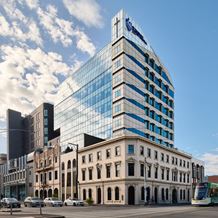
St Vincent’s Private Hospital Fitzroy, VIC
St Vincents Private Hospital
Suite 1, Level 10, East Tower
59 Victoria Parade
Fitzroy Vic 3065
Biography
Dr David Oehme is a Melbourne-based neurosurgeon and spine surgeon widely recognised for his expertise in advanced in minimally invasive spinal surgery, robotic spinal surgery, endoscopic spinal surgery and complex spinal conditions.
Dr Oehme has particular expertise in degenerative spinal conditions, minimally invasive spinal surgery, and the application of advanced surgical technologies. He employs robotic-assisted surgery, spinal endoscopy (uniportal and biportal approaches), and advanced neuro-navigation to enhance surgical precision, minimise tissue disruption, and accelerate patient recovery. His clinical practice spans the full spectrum of spinal conditions — including back pain, sciatica, disc herniation, spinal stenosis, cervical spine disorders, spinal tumours, disc replacement surgery and spinal fusion.Dr Oehme completed his MBBS with Honours at Monash University in 2004 and undertook neurosurgical training through the Royal Australasian College of Surgeons across leading Melbourne hospitals, including The Royal Melbourne Hospital, The Royal Children’s Hospital, St Vincent’s Hospital, Monash Medical Centre, and The Alfred Hospital. He was awarded his FRACS in Neurosurgery in 2015. He also holds a PhD from Monash University (2014), with his doctoral research focused on degenerative disc disease and stem cell-based therapies for spinal disc regeneration.
Dr Oehme believes the best outcomes come from patients being well‑informed and actively involved in their care. He takes the time to ensure patients and their families understand their condition, treatment options, and realistic expectations. His approach is grounded in honesty, communication, and trust. He only recommends surgery when it is genuinely in a patient’s best interest and is equally comfortable advising when it is not required. This evidence‑based, conservative decision‑making has earned him strong trust among patients and referrers. His ‘minimally invasive attitude’ extends beyond surgery — reflecting a commitment to reducing the burden of illness, supporting recovery, and helping patients return to healthy, active lives as quickly as possible.